

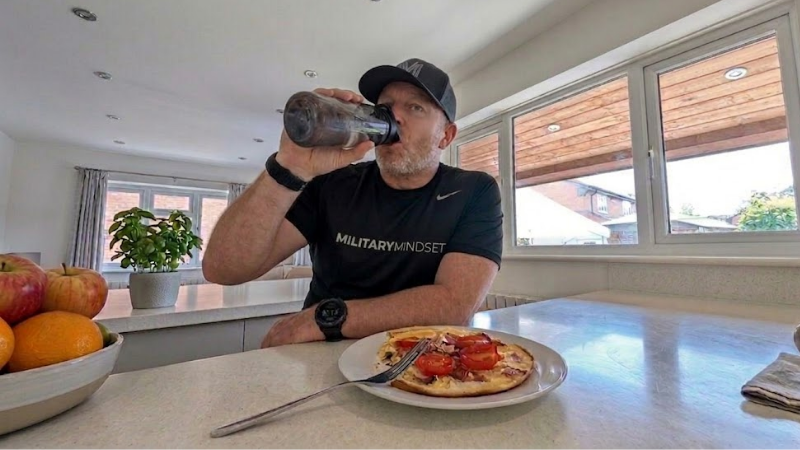
Water is something we often take for granted. We drink when we’re thirsty, grab a coffee when we’re tired and get on with our day without thinking too much about hydration.
But staying properly hydrated plays a much bigger role in how we feel, think and perform every single day.
Whether you’re working, training, spending time outdoors or simply trying to get through a busy day, keeping your fluid levels topped up can make a noticeable difference.
What Does Hydration Actually Mean?
Hydration simply means having enough fluid in your body for it to function properly.
Your body is made up of a significant amount of water, and fluid is constantly being lost through breathing, sweating and going to the toilet. This means you need to regularly replace what you lose.
You don’t necessarily need to wait until you’re extremely thirsty before drinking. Thirst can be a useful signal, but making hydration part of your daily routine is a much better approach.
Why Is Hydration Important?
1. It Helps You Feel More Alert
Feeling tired, sluggish or struggling to concentrate isn’t always down to a lack of sleep.
Even mild dehydration can affect how you feel during the day. Keeping hydrated can help you stay more alert and focused, which is particularly important if you have a physically or mentally demanding job.
For anyone working long shifts or operating in challenging environments, maintaining good hydration should be part of your daily preparation.
2. It Supports Physical Performance
This is where hydration becomes particularly important when you’re exercising.
When you train, your body produces heat and you lose fluid through sweat. If you don’t replace that fluid, your physical performance can suffer.
You may notice that you fatigue more quickly, your workout feels harder than normal or you struggle to maintain your usual intensity.
Hydration doesn’t replace good training, nutrition or recovery, but it is an important part of all three.
3. It Helps Your Body Regulate Temperature
Sweating is one of the ways your body cools itself down.
During exercise, particularly outdoors or in warm conditions, you can lose significant amounts of fluid through sweat. Replacing those fluids helps your body manage the demands being placed on it.
This is especially important during longer sessions, high-intensity training and activities where you’re exposed to heat for extended periods.
Hydration and Fitness
At Go Beyond Your Limits, fitness isn’t just about lifting weights or completing a workout. It’s about preparing your body to perform when things get difficult.
Our training includes physically demanding sessions such as Military Fit, Battle PT, Loaded Carry, Orienteering and conditioning work. These types of sessions can involve a combination of strength, endurance, cardiovascular fitness and prolonged physical effort.
That means hydration becomes even more important.
Turning up to a demanding session already dehydrated can make the workout feel harder before you’ve even started. Drinking plenty of fluids throughout the day and arriving properly hydrated gives your body a better foundation for training.
You can learn more about the training and community at Go Beyond Your Limits here: https://gobeyondyourlimits.co.uk
How Much Should You Drink?
There isn’t one exact amount that works for everyone.
Your fluid requirements can vary depending on your body size, activity levels, the temperature, how much you sweat and what you’re doing that day.
A simple approach is to drink regularly throughout the day rather than trying to consume a large amount of water all at once.
Your urine colour can also provide a useful general indication of hydration. Pale yellow urine is generally associated with good hydration, while darker urine can be a sign that you need more fluids.
If you’re exercising heavily or sweating for prolonged periods, you may need to replace not only water but also electrolytes.
Don’t Forget About Hydration During Training
One of the easiest mistakes to make is thinking about hydration only once your workout starts.
If you know you’re going to be training hard, particularly outdoors, start thinking about your fluid intake before the session.
Before training: Make sure you’ve been drinking regularly throughout the day.
During training: Take regular drinks, particularly during longer or more intense sessions.
After training: Replace the fluids you’ve lost and continue drinking normally throughout the rest of the day.
The harder and longer you train, the more important this becomes.
Water Doesn’t Have to Be Boring
If you struggle to drink enough water because you find it boring, don’t make it complicated.
Keep a reusable bottle with you so you always have access to a drink. Make it part of your routine at work, in the car, at home and in the gym.
You can also use foods and drinks that contribute to your overall fluid intake, although water remains a simple and effective choice for most everyday situations.
The key is consistency.
Make Hydration Part of Your Routine
Just like training, hydration works best when it becomes a habit.
Don’t wait until you’re exhausted, thirsty and struggling through your workout before reaching for your bottle.
Make drinking regularly part of your daily routine.
Work hard. Train hard. Recover properly. Stay hydrated.
Your body needs the basics to perform at its best, and hydration is one of them.
At Military Mindset, we believe that being prepared isn’t just about what you do when the pressure is on. It’s about the habits you build every day.
And sometimes, something as simple as drinking enough water is part of that preparation.
0 Comments